GLP-1
How Long Does It Take Semaglutide to Start Working Week by Week
A practical week-by-week timeline of symptoms, appetite, early weight and blood-sugar changes, and what to expect through the first year.

Short answer, up front: how long does it take semaglutide to start working depends on what you mean by "working." Appetite signals and nausea often change within days. Meaningful shifts in blood glucose appear within 1 to 4 weeks. Measurable weight loss usually shows by 4 to 12 weeks and accelerates over months. This article gives a practical, week-by-week map of what patients commonly feel, the physiology behind those signals, and what to actually do at each step.
Short answer first: a plain timeline
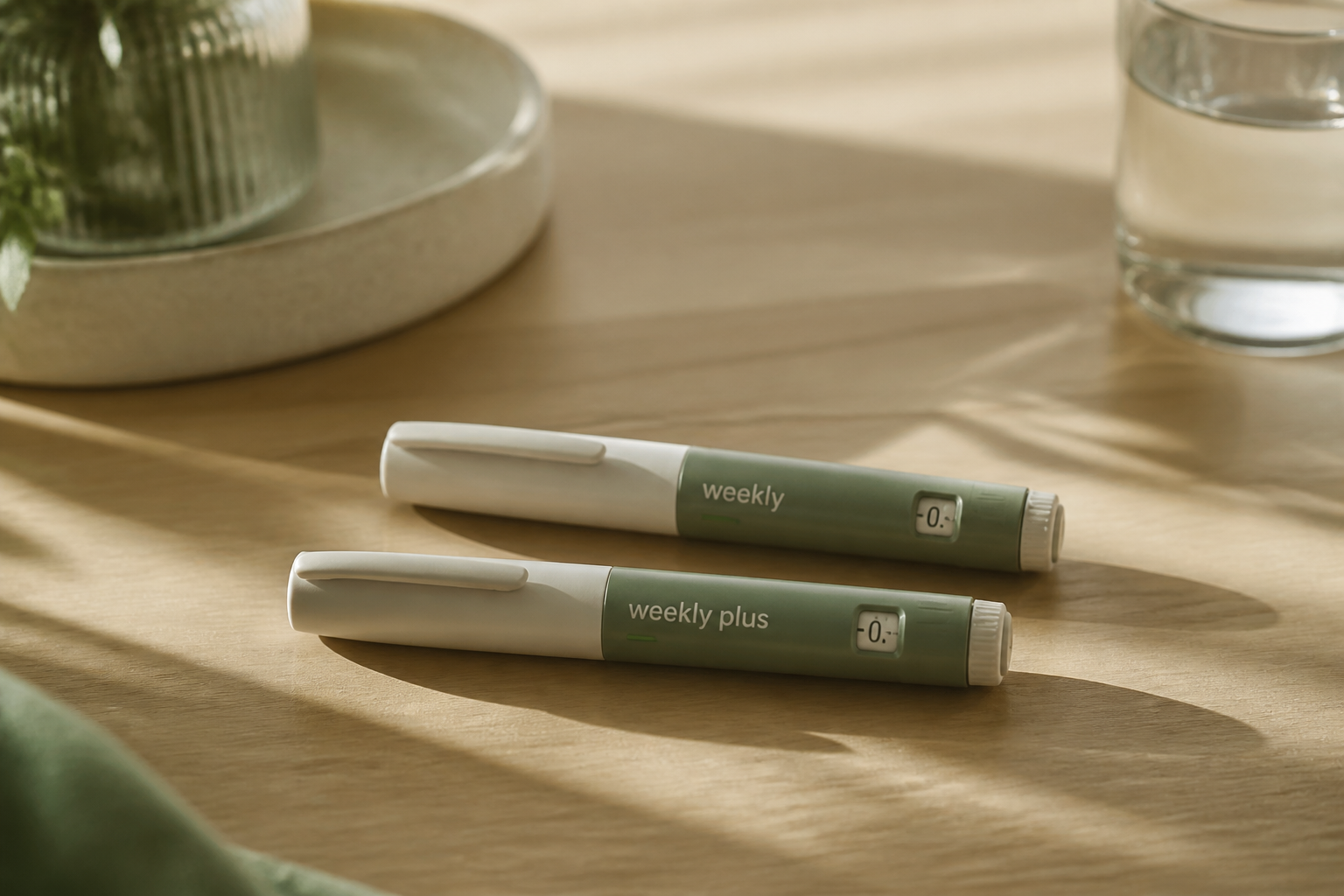
If you want a compact, clinically useful answer: expect appetite effects quickly, glycemic effects within weeks, and weight loss that becomes clear after a month or two. The speed and magnitude depend on formulation (injectable weekly versus oral daily), starting dose and titration schedule, concurrent medications, and your baseline physiology. For example, the Wegovy 2.4 mg weekly titration protocol spreads dose increases across 16 weeks, so early weeks are low-dose and symptoms tend to be milder but still noticeable. By contrast, the diabetes dosing schedule for Ozempic or for oral semaglutide (Rybelsus) may follow different increments and timelines.
- Appetite and nausea: often within days, sometimes the same day.
- Blood sugar: fasting glucose and postprandial changes typically within 1–4 weeks.
- Weight: small losses by 4 weeks, clearer by 8–12 weeks, and a larger cumulative change over 6–12 months.
- Full steady-state pharmacologic effect: around 4–6 weeks for steady plasma levels with weekly injections, but clinical effects evolve.
How semaglutide works, in practical terms
Mechanistically, semaglutide is a GLP-1 receptor agonist. It increases glucose-dependent insulin secretion, suppresses inappropriate glucagon release, slows gastric emptying early on, and reduces appetite via hypothalamic pathways and reward centers. Those last two effects are why patients notice hunger and food preference changes quickly. The gastric-emptying effect is strongest initially and tends to decrease over weeks, while the central appetite-suppressing effects persist. Trials in the SUSTAIN and PIONEER programs demonstrated glucose lowering across doses and formulations, and the STEP trials tested higher-dose semaglutide specifically for weight management.
Two practical consequences: first, expect blood sugar to fall primarily when you start dosing, which matters if you are also on insulin or sulfonylureas. Second, nausea and reduced appetite are part of the drug’s effect and often predict later weight loss, but not everyone who loses weight feels substantial nausea. The timeline below follows those mechanistic signals from immediate to longer-term.
Week 0 to Week 1: the immediate signal
What people often tell us in the first week is simple: appetite is different. That can mean feeling less hungry between meals, losing the urge to snack, or finding portions that used to feel satisfying now feel too large. Some patients report mild nausea, early satiety, or a slight reduction in taste pleasure from sugary foods. Those changes are the first and most consistent signals that semaglutide is having an effect.
- Typical sensations: blunted hunger, smaller cravings, early satiety, mild nausea for 20–40% of people (dose-dependent).
- Glycemic signal: fasting glucose may drop by a few mg/dL within days, more noticeable if you check daily glucose at home.
- Medication interaction: if you take insulin or sulfonylurea, expect increased hypoglycemia risk as glucose falls; check glucose more often.
Practical tip: keep a simple daily diary the first week. Record fasting glucose if you have a glucometer, appetite on a 1–10 scale, and any nausea. That record tells you whether the effect is starting and helps your clinician decide early dose adjustments or safety steps.
Weeks 2 to 4: early glycemic and weight signals
By the end of month one most patients see a clearer pattern. Blood-sugar control for people with type 2 diabetes often improves in this window. For those using semaglutide primarily for weight, the scale often registers a small but consistent drop. The SUSTAIN program showed glycemic benefits over the first 12 weeks, with early improvements visible in fasting and postprandial glucose. Expect the following in weeks 2 to 4.
- Glucose: fasting glucose reductions that stabilize a new baseline; A1c will not fully reflect this yet but begins moving.
- Weight: typical early weight loss is modest, often 1–3% of body weight by four weeks with standard titration.
- Symptoms: nausea often peaks in the first few weeks then declines for many people.
- Appetite: portion size and snacking continue to drop, and food choices may shift away from calorie-dense items.
Example: a patient who starts at 220 pounds on a weekly injectable titration might see 2–5 pounds of weight loss by week 4, depending on diet and activity. That’s within the expected early range from STEP-like weight loss trajectories. If you’re not seeing any appetite or glucose change by week 4, reconfirm adherence, check for dosing errors, and discuss formulation and absorption with your clinician.
Weeks 5 to 12: the phase where weight loss becomes consistent
Between one and three months most people notice a clearer, sustained reduction in appetite and reliable, steady weight loss. This is where semaglutide’s central appetite effects and behavioral changes compound. Clinical trials, including the STEP program, show that by 12 weeks the difference between active drug and placebo is already measurable. The rate of weekly weight loss tends to stabilize in this window if you are adherent and not counteracting with increased calorie intake.
- Weight: many people will be in the 4–10% weight-loss range by 12 weeks, depending on dose and protocol.
- Behavior: reduced portion sizes, fewer snacks, and less frequency of high-calorie meals.
- Side effects: nausea and GI discomfort usually continue to decline for most people; constipation can appear.
Note on titration: if you are following the Wegovy titration schedule, week 12 often coincides with reaching 1.0 mg or 1.7 mg depending on the start date and pace. Each increment interacts with symptom trajectory. Slower titration can preserve quality of life while still producing weight loss, but expect most weight-related effects to accelerate after you reach at least 1.0 mg weekly.
Weeks 13 to 24: consolidation and the curve starts to climb
Three to six months in is where the clinical separation becomes clearer. In STEP-1 the active group continued to lose weight into later months and averaged nearly 15% weight loss at 68 weeks. That kind of cumulative effect begins to show in a meaningful way between months 3 and 6 for many people. Appetite suppression stabilizes, and dietary choices tend to shift more permanently. Psychological effects matter too: seeing ongoing weight reduction reinforces adherence and lifestyle changes, which amplifies outcomes.
- Weight: many patients pass the 7–10% mark by 24 weeks; some reach double-digit percentages depending on dose and baseline.
- Metabolic: improvements in blood pressure, triglycerides, and insulin sensitivity often appear alongside weight loss.
- Plateaus: it's common to hit a temporary plateau; adjust nutrition and activity rather than changing medication too quickly.
Months 6 to 12 and beyond: maintenance, continued loss, or switching strategies
From six months forward you see the program effects in full. Step-like trial data show ongoing weight loss up to about a year and beyond for patients who continue therapy and follow behavioral support. The pace slows but the cumulative effect can be substantial. If a patient is nearing the goals set with their clinician, the next steps are individualized: maintain dose, consider tapering only under close supervision, or add adjunct interventions if response is suboptimal.
Comparators matter. SURMOUNT trials with tirzepatide reported larger average weight loss than semaglutide in the same timeframe, which has clinical relevance if the goal is maximal weight reduction. But semaglutide remains a well-characterized option with abundant safety data and predictable timelines.
Estimates derived from STEP program trajectories and clinical practice experience; individual results vary.
Formulation and dosing: how they change the onset
Semaglutide comes in multiple formulations and doses, and those differences matter for onset. Weekly subcutaneous injections (Ozempic for diabetes, Wegovy for obesity) have steady accumulation and predictable weekly peaks. Oral semaglutide (Rybelsus) is dosed daily and has different absorption considerations tied to fasting state and gastric pH. For weight loss the labeled Wegovy schedule is specifically designed to reach 2.4 mg slowly to balance efficacy and tolerability.
| Formulation | Typical titration schedule (example) | When early effects are felt |
|---|---|---|
| Wegovy (weekly, up to 2.4 mg) | 0.25 mg x4 weeks, 0.5 mg x4 weeks, 1.0 mg x4 weeks, 1.7 mg x4 weeks, 2.4 mg maintenance | Appetite changes in days; measurable weight by 4–12 weeks |
| Ozempic (weekly, up to 1.0 mg for diabetes) | 0.25 mg x4 weeks, 0.5 mg x4 weeks, up to 1.0 mg | Rapid appetite signal in days; glycemic improvement in 1–4 weeks |
| Rybelsus (oral, 3–14 mg daily) | 3 mg x30 days, 7 mg x30 days, 14 mg maintenance | Appetite and glucose effects may appear in 1–4 weeks; absorption sensitive to fasting |
Factors that speed or slow the timeline
Not everyone experiences the same timeline. Expect variance based on these factors.
- Dose and titration speed: lower starting doses delay the magnitude of early weight loss but reduce side effects.
- Formulation: oral absorption variability can slow onset compared with injections.
- Baseline insulin resistance and glycemic control: people with higher baseline glucose often see sharper early drops in blood sugar.
- Concurrent meds: insulin and sulfonylureas increase hypoglycemia risk as semaglutide lowers glucose.
- Behavioral change: what you eat and how much you move amplify or blunt the drug’s effect.
- GI physiology: prior gastroparesis or slow gastric emptying may change tolerability and onset.
Practical example: two people on the same dose can look very different. One who pairs semaglutide with modest calorie reduction and increased protein will likely see faster and larger weight loss than someone who treats it as a standalone. That’s not weakness. It’s how physiology and behavior interact.
Side effects and what they tell you about effect
The classic side effects are gastrointestinal: nausea, vomiting, constipation, and sometimes diarrhea. Those are most frequent early and tend to settle in weeks. Nausea is not just an adverse event. It signals the drug is engaging gastric and central pathways, but you do not need persistent nausea to have benefit. Many people lose substantial weight with minimal nausea.
- Nausea: often peaks early, resolves or diminishes in 4–12 weeks for most patients.
- Gastrointestinal upset: manage with smaller, more frequent meals, bland foods, and hydration.
- Hypoglycemia: in combination with insulin or sulfonylureas, blood glucose can fall quickly; adjustments are often needed.
- Rare but serious: pancreatitis and gallbladder disease have been reported; watch for severe abdominal pain or jaundice.
How to track progress week by week without getting misled
Tracking matters. But over-reliance on the scale in the early weeks creates anxiety and may obscure meaningful metabolic change. Use a combination of objective and subjective signals.
- Daily: appetite score, fasting glucose if relevant, medication adherence.
- Weekly: weight, waist circumference, body composition if available.
- Monthly: blood pressure, labs like CMP and lipid panel per clinician plan, and A1c at 12 weeks if you have diabetes.
Example weekly checklist for the first 12 weeks: record dose and timing, two fasting glucose readings per week if you use a meter, one weight and waist measurement per week, and a short note on appetite and GI symptoms. That balance gives an early signal of effect without obsessive daily weighing.
"Patients who keep a short, structured record in the first month make fewer unnecessary dose changes and have fewer surprises at clinic visits."
— PuraGene clinic experience
What to actually do, week by week
Practical steps matter more than abstract timelines. Below is an actionable protocol you can use as a template, with the caveat that individual medical needs require clinician tailoring. This is a common practice pattern for weekly subcutaneous semaglutide aimed at weight loss (Wegovy-style titration).
- Start: get baseline measures, weight, waist, fasting glucose if diabetic, BMP, and liver panel. Discuss goals and side-effect plan with your clinician.
- Weeks 0–4: begin 0.25 mg weekly. Track appetite, nausea, daily adherence. Increase hydration and eat smaller meals if nausea occurs.
- Weeks 4–8: increase to 0.5 mg weekly. Expect clearer appetite suppression. If on insulin or sulfonylurea, reduce dose per clinician protocol to avoid hypoglycemia.
- Weeks 8–12: increase to 1.0 mg weekly. Watch for weight changes; adjust dietary protein and fiber to maintain lean mass.
- Weeks 12–16: increase to 1.7 mg weekly, then to 2.4 mg if tolerated. Review labs at 12 weeks for metabolic progress and safety.
- Months 4–6: if you plateau, re-evaluate diet quality, NEAT, sleep, and stress. Consider adding structured behavioral support.
- Month 6 onward: set a maintenance plan. If goals met and you stop medication, expect some weight regain; plan a transition strategy.
If you are using the diabetes dosing for semaglutide (Ozempic) or oral semaglutide (Rybelsus), the same principles apply but with different titration steps. The critical points are adherence, monitoring glucose if you have diabetes, and managing early side effects so you can reach an effective dose.
Special situations: meds, pregnancy, and older adults
*Do not use semaglutide in pregnancy. If pregnancy is a possibility, avoid starting and stop promptly if you conceive. For older adults, start lower and titrate more slowly, gastric side effects can have larger functional consequences. For patients on insulin or sulfonylureas, anticipate and proactively lower those agents according to a plan and glucose readings. Reported cardiovascular outcome data come from SUSTAIN-6* and other studies suggesting benefits for cardiovascular risk in type 2 diabetes; discuss how these apply to you with your clinician.
Comparing expected timelines: semaglutide vs other agents
For context, GLP-1 receptor agonists as a class show appetite effects quickly and weight effects over months. Dual GIP/GLP-1 agents like tirzepatide (SURMOUNT trials) have shown faster and larger average weight loss than semaglutide in trial populations, but the pattern still follows the same phases: early appetite changes, then progressive weight loss. Choose the agent based on tolerability, comorbidities, access, and patient preference.
- Semaglutide: appetite changes in days, weight by 4–12 weeks, significant cumulative loss by 6–12 months.
- Tirzepatide: similar early appetite effects, often larger percent weight loss over months per SURMOUNT data.
- Other GLP-1s: liraglutide and exenatide show similar timelines but different magnitudes and dosing frequencies.
The takeaways
- Appetite changes and some nausea often appear within days after the first dose.
- Blood-sugar improvement typically shows within 1–4 weeks; monitor glucose closely if you use insulin or sulfonylureas.
- Measurable weight loss is common by 4–12 weeks and accumulates over months, with large average losses by 6–12 months.
- Formulation, dosing speed, and behavior change strongly influence how fast and how much you respond.
- Track the right signals: appetite, fasting glucose (if relevant), weekly weight, and a short symptom diary.
FAQ
Below are focused answers to common, practical questions that come up when people start semaglutide. They are brief and targeted, not a replacement for an individual clinical plan.

About the writer
Research Writer, Peptides & Metabolic Health
Marcus covers the peptide and GLP-1 beat for the Journal. He has spent years reading through compounding formularies, FDA guidance documents, and clinical write-ups so he can explain what the labels actually mean in plain English. He is a writer and researcher, not a pharmacist or prescriber.
Frequently asked
- How soon after the first injection will I feel less hungry?
- Many people notice reduced appetite within a few days of the first injection. The intensity varies. Some feel only a small reduction in cravings, others have a clear loss of hunger. Early nausea can accompany this, but it often fades within weeks while appetite suppression persists.
- When should I expect to see a change on the scale?
- Expect small weight loss by week 4 and a clearer downward trend by week 8 to 12. By 12 weeks many patients are seeing consistent reductions; by six months the cumulative effect is more substantial. Individual results vary with dose, adherence, and lifestyle.
- If I take oral semaglutide, does it start working slower than injections?
- Oral semaglutide can show similar early appetite and glycemic effects within 1–4 weeks, but its absorption and onset depend on fasting-state administration. Weekly injections tend to have steadier pharmacokinetics, which some clinicians prefer for predictable effects.
- I’m on insulin. How quickly should I expect to need dose changes?
- Glucose often drops within the first 1–4 weeks, so check glucose frequently when starting semaglutide. Many clinicians proactively reduce prandial insulin or sulfonylureas to reduce hypoglycemia risk, then adjust further based on readings.
- Is early nausea a good sign that the drug is working?
- Nausea indicates engagement of gastric and central pathways and often correlates with later weight loss, but persistent nausea is not required for benefit. Managing side effects can allow you to reach therapeutic doses without prolonged discomfort.
- What should I do if I hit a weight-loss plateau after three months?
- First reassess adherence, calories, and activity. Small dietary shifts, focusing on protein and fiber, and increasing non-exercise activity can break plateaus. Discuss with your clinician whether dose optimization, adjunct therapies, or structured behavioral support is appropriate.